Peptides are short chains of amino acids linked together in a specific sequence. In simple terms, they are smaller What Are Peptides? A Clear Guide to Peptide Basics
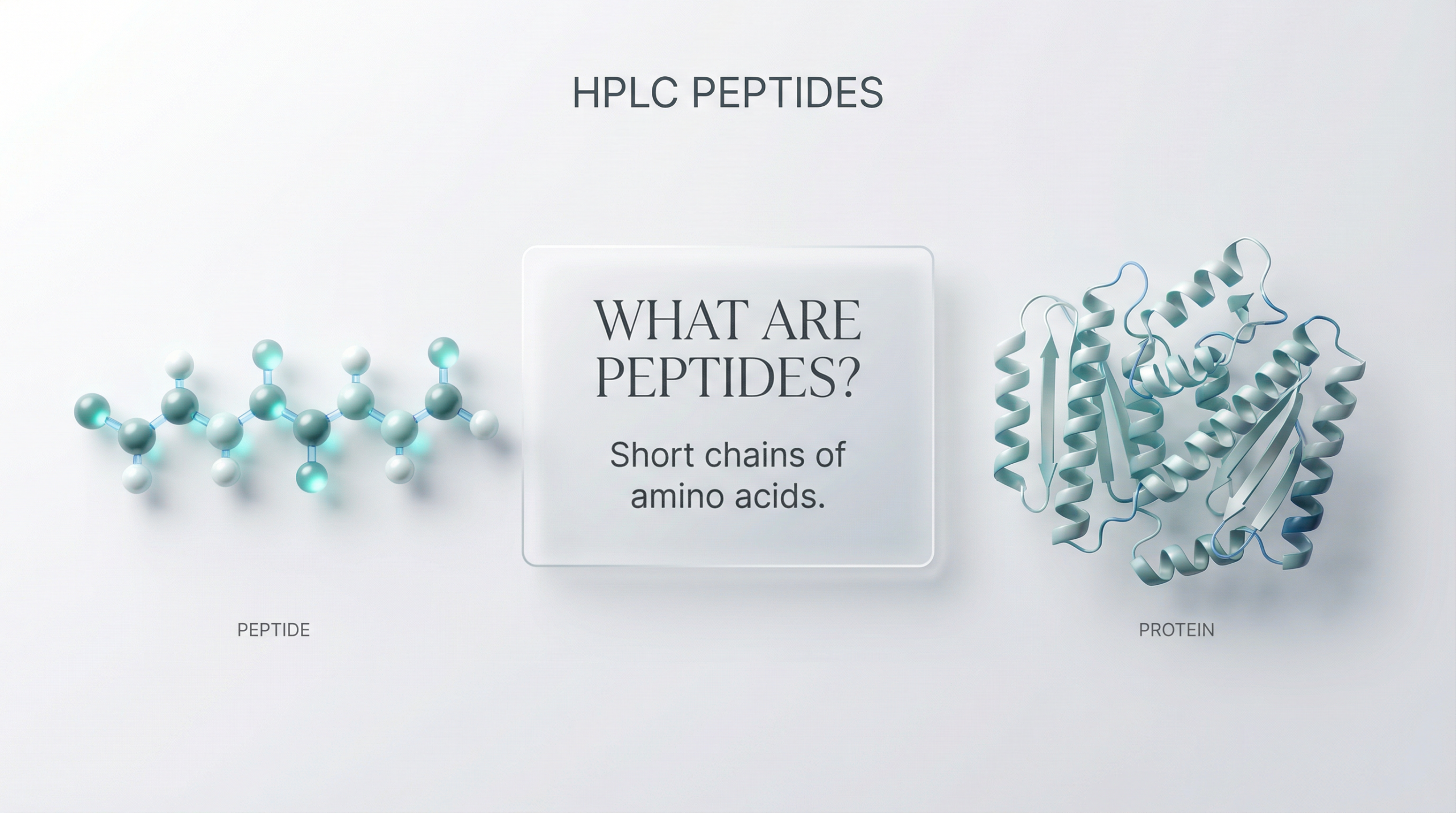
Peptides are short chains of amino acids linked together in a specific sequence. In simple terms, they are smaller than proteins but built from the same basic building blocks.
At HPLC Peptides, we believe peptide education should be clear, practical, and easy to follow. A lot of people come across peptides through conversations around research, quality, storage, and testing, but the basics are often explained badly. This guide is designed to make the foundation easier to understand.
Quick Answer
Peptides are short chains of amino acids.
They are related to proteins, but they are not the same thing. In general, peptides are shorter and simpler, while proteins are usually larger and more complex.
If you are researching peptides, the next most useful topics are usually peptide measurements, peptide reconstitution, peptide storage, peptide degradation, and peptide testing. That is why this page should act as the starting point for the wider HPLC knowledge base.
What are peptides?
A peptide is a short chain of amino acids joined together by peptide bonds.
That is the simplest way to define it.
Amino acids are the building blocks. When they are linked together in shorter chains, they form peptides. When those chains become longer and more complex, they move into protein territory.
So in plain English, peptides are small chains of amino acids that sit within the wider family of protein-related biological molecules.
Peptides vs proteins: what is the difference?
This is one of the most common questions people ask.
The easiest way to think about it is this:
Peptides are shorter chains of amino acids.
Proteins are usually longer, more complex structures built from amino acids.
That does not mean the line is always perfectly black and white, but as a practical explanation, it is the clearest place to start.
This matters because most people searching about peptides are not just looking for a technical definition. They are trying to understand where peptides fit into the bigger scientific picture.
Why do peptides matter?
Peptides matter because they are a major part of modern biological and analytical research.
They are often discussed in relation to structure, sequence, purity, stability, degradation, and analytical testing.
That is why peptide education quickly moves beyond the question of what peptides are and into related topics like measurement, handling, storage, and testing.
For HPLC Peptides, that is important because the strongest content strategy is not to treat these as isolated blog posts. It is to build them as a connected knowledge cluster.
How are peptides commonly supplied?
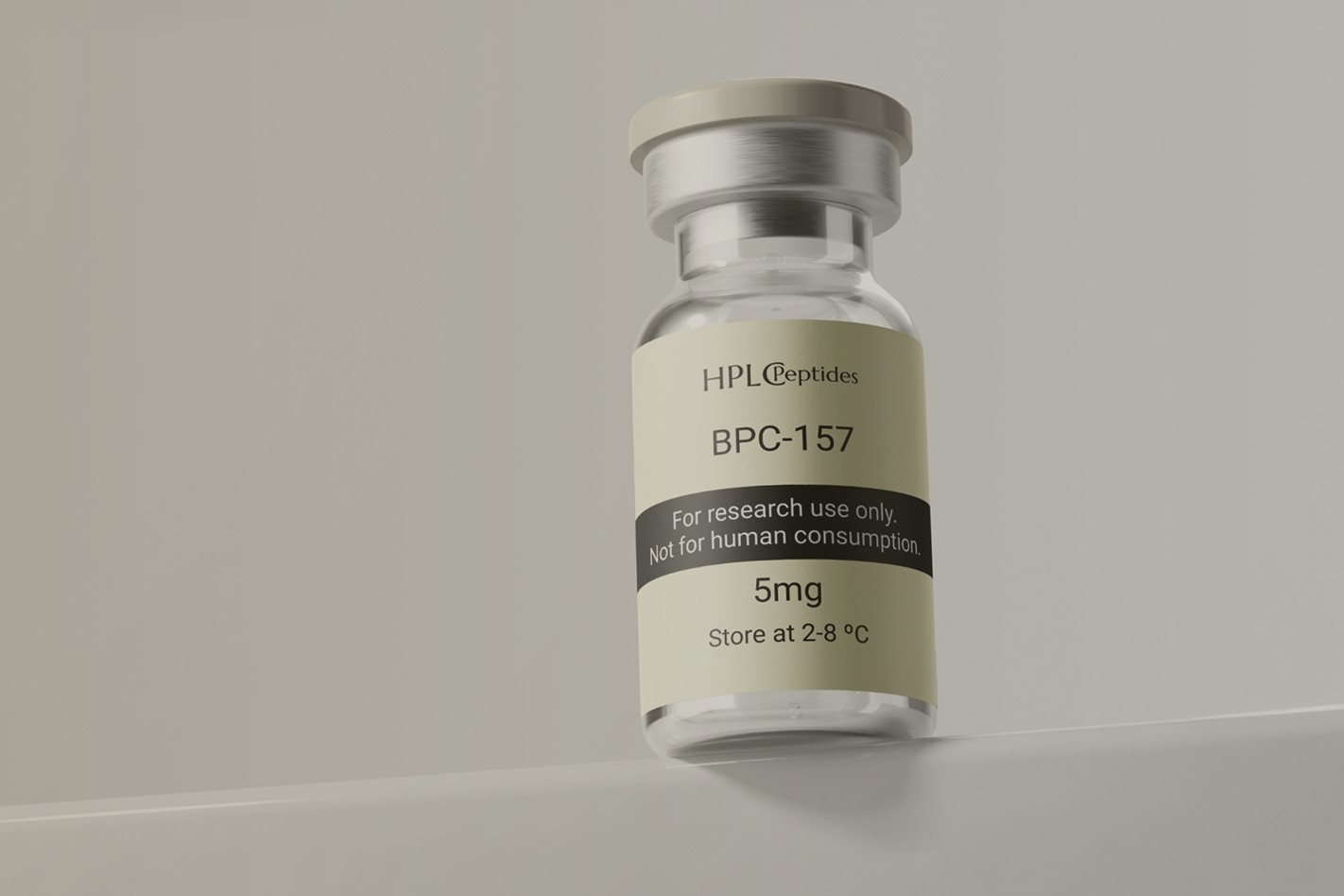
Many peptides are commonly supplied in lyophilized form, meaning they are freeze-dried before later dissolution or reconstitution.
That matters because storage and handling become part of the wider quality picture.
It also means a useful peptide knowledge base should not stop at the definition alone. It should also explain what reconstitution means, why storage matters, how degradation happens, and what testing can show.
Why does peptide quality matter?
A peptide is not just defined by its name.
Quality also depends on whether the material is consistent, how it has been handled, and how well it has been analysed.
That is one reason analytical methods such as HPLC matter so much in peptide work. When people talk about peptide quality, they are often really talking about things like purity, identity, handling, stability, and impurity profile.
For HPLC Peptides, that makes educational content around testing and quality control especially valuable.
Why HPLC Peptides should build this topic cluster
At HPLC Peptides, this page should act as the foundation of a wider educational cluster.
The most important supporting topics are:
Peptide Reconstitution Guide
Peptide Storage Explained
Peptide Degradation Explained
Peptide Testing and Quality Control
Peptide Measurements Explained: mg vs mL vs Units
That structure is useful because it follows the natural questions readers ask next. It also helps build a stronger internal content system across the HPLC site.
What should people understand after the basics?
Once someone understands what peptides are, the next useful questions are usually these.
How are peptides measured?
This is where people start asking about mg, mL, concentration, and units.
What is peptide reconstitution?
This is the handling step that turns dry material into a liquid solution.
Why does storage matter?
Because moisture, temperature, and repeated handling can affect stability over time.
What is peptide degradation?
This is the process by which material changes or breaks down over time.
Why is peptide testing important?
Because testing helps build a clearer picture of purity, identity, and quality.
This is exactly why the HPLC site should be built as a real educational system rather than a set of disconnected blog posts.
Common misunderstandings about peptides
Peptides are not the same as proteins
They are related, but they are not identical.
A peptide name alone does not tell you everything
Handling, storage, testing, and quality all matter too.
Peptide education should not stop at the definition
The basics are only useful if they lead into practical understanding.
That is where many peptide websites fall short. They define the term but do not build the rest of the learning path clearly.
FAQ
What are peptides in simple terms?
Peptides are short chains of amino acids linked together in sequence.
Are peptides the same as proteins?
No. Peptides are generally shorter, while proteins are usually longer and more structurally complex.
Why are peptides often supplied as a powder?
Many peptides are supplied in lyophilized form for easier handling and storage before reconstitution.
Why should peptide storage and testing matter?
Because quality is influenced not just by the peptide itself, but also by how it is stored, handled, and analysed.
Conclusion
Peptides are short chains of amino acids, but understanding them properly means going beyond the basic definition.
To build real understanding, it also helps to understand how peptides are measured, how they are reconstituted, how they are stored, how they degrade, and how they are tested.
That is why What Are Peptides? should be the first article in the HPLC content cluster.
It gives readers the foundation, and it gives the rest of the cluster a strong internal page to connect back to.
Research Use Notice
This article is for educational and informational purposes only. It is not medical advice, prescribing guidance, or individualized instruction.