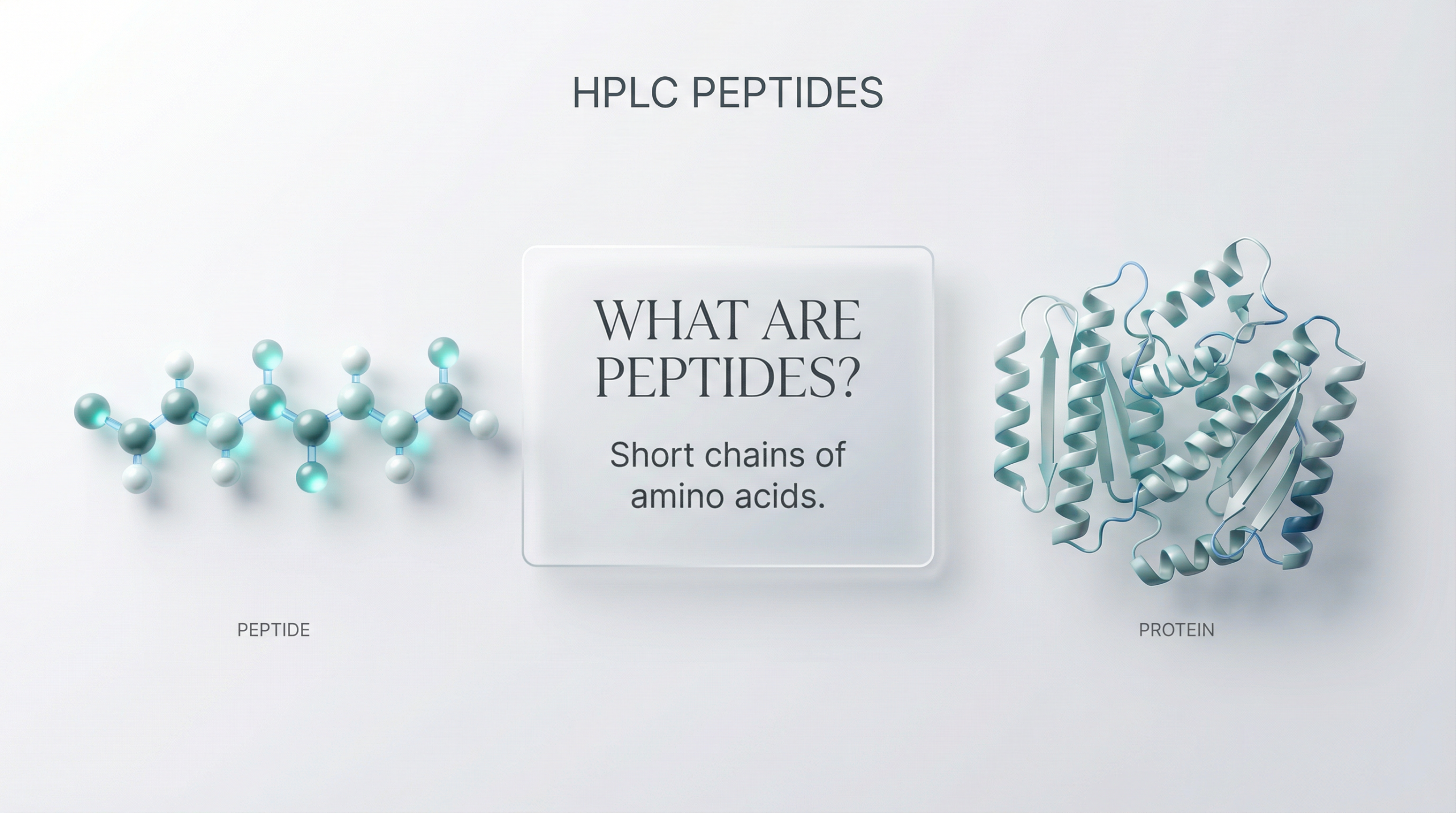
What Are Peptides? A Clear Guide to Peptide Basics
Peptides are short chains of amino acids linked together in

Which peptides are studied for hair regrowth and how do they work?
Can topical GHK-Cu reverse hair loss — and what does the research actually say?
|
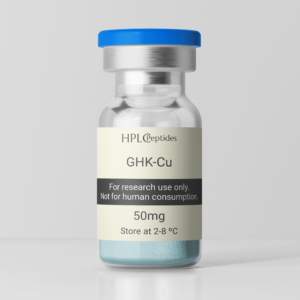
TL;DR GHK-Cu (Glycine-Histidine-Lysine copper complex) is the most evidence-supported peptide for hair growth. It stimulates angiogenesis, collagen synthesis, and follicle reactivation, and has been shown in multiple preclinical and cosmeceutical studies to increase follicle size and hair shaft growth. When combined with Carbon 60 (C60), real-world results suggest enhanced regrowth. TB-500 (Thymosin Beta-4 fragment) and BPC-157 provide systemic support by mobilising repair cells and restoring blood supply to the scalp. The GLOW Stack — BPC-157 + TB-500 + GHK-Cu — represents the most comprehensive peptide-based protocol for hair and skin regeneration in biohacking contexts. Research-grade peptides require purity above 98% verified by High-Performance Liquid Chromatography (HPLC). |
1. Why Hair Follicles Fail — The Biology Behind Hair Loss
2. GHK-Cu: The Lead Peptide for Hair Restoration
3. TB-500: Systemic Stem Cell Mobilisation and Follicle Activation
4. BPC-157: Vascular Support for Follicle Health
5. The GLOW Stack: A Comprehensive Hair and Skin Regeneration Protocol
6. Biohacking and Anti-Ageing Applications
7. Key Research Studies
8. Practical Protocol and Dosing Reference
9. Quality Standards and HPLC Verification
10. Testing and Degradation — Why GHK-Cu Demands More Than a Purity Figure
11. Key Takeaways
12. FAQ
13. Glossary
14. Internal Entity References
15. External Sources and Research References
|
Parameter |
Detail |
|
Primary peptide |
GHK-Cu (Glycine-Histidine-Lysine copper complex) |
|
Supporting peptides |
TB-500 (Thymosin Beta-4 active fragment), BPC-157 (Body Protection Compound-157) |
|
Primary mechanism |
Angiogenesis, collagen synthesis, follicle stem cell activation, gene expression modulation (4,000+ genes) |
|
Research status |
Preclinical and cosmeceutical evidence; GHK-Cu has decades of published research by Dr Loren Pickart |
|
Longevity relevance |
GHK-Cu plasma levels decline ~60% between age 20 and 60, correlating with age-related tissue and follicle decline |
|
Purity standard |
Greater than 98% by reversed-phase HPLC; copper content verification required for GHK-Cu |
|
Delivery |
GHK-Cu: topical (3% cream/serum) or subcutaneous. TB-500 and BPC-157: subcutaneous injection |
Hair loss occurs when the biological systems that sustain follicle health break down. Understanding these failure mechanisms is essential for understanding why peptides work — because therapeutic peptides address each one directly.
The hair follicle is one of the most metabolically active structures in the body. It cycles continuously between active growth (anagen), transition (catagen), and rest (telogen) phases. Disruption to this cycle — and to the vascular, structural, and signalling infrastructure that supports it — leads to miniaturisation, dormancy, and eventually permanent loss.
The primary biological failure modes are:
Peptides are uniquely positioned to address these failures because they act as biological signalling molecules, activating the body’s own repair systems rather than overriding them.
GHK-Cu (Glycine-Histidine-Lysine copper complex) is the most evidence-supported peptide for hair restoration. It is a naturally occurring tripeptide bound to copper — an essential mineral for connective tissue development — first discovered in human blood by scientist Dr Loren Pickart in the early 1970s.
In its raw constituted form, GHK-Cu appears as a shimmery bluish-purple liquid, reflecting its copper content. It is present in human plasma, saliva, and urine, but its concentration declines significantly with age — from approximately 200 ng/mL in young adults to around 80 ng/mL by age 60. This decline is one of the best-documented biochemical markers of ageing and correlates directly with reductions in tissue repair capacity, skin elasticity, collagen density, and follicle health.
As Jay Campbell writes in Optimize Your Health with Therapeutic Peptides (2021), GHK-Cu is the “sham wow” of peptides due to its multifunctional capabilities in cellular healing and regeneration — and nowhere is that versatility more applicable than in hair restoration.
GHK-Cu addresses the core biological failure modes of hair loss through converging mechanisms:
|
Research Area |
Key Finding |
|
Hair follicle enlargement |
GHK-Cu increases hair follicle size in preclinical models (Pickart & Margolina, 2018, Int J Mol Sci) |
|
Hair shaft growth |
GHK-Cu topical application increased hair shaft elongation in alopecia mouse models (Lim et al., 2019) |
|
Collagen synthesis |
Stimulates collagen types I, III, and IV in human fibroblasts (multiple studies) |
|
Gene expression |
Modulates expression of 4,000+ human genes toward repair and anti-ageing (Pickart et al., Organogenesis, 2012) |
|
vs. Minoxidil |
Comparable follicle enlargement with superior safety profile and added anti-inflammatory effects (Gul et al., 2020) |
When GHK-Cu is combined with Carbon 60 (C60) — a powerful antioxidant fullerene — real-world results suggest significantly enhanced hair regrowth. Campbell shares a documented account from a user who reported noticeable increased hair growth after six months of GHK-Cu alone, with “phenomenal results” after adding C60 for a further two months. The mechanistic rationale is clear: GHK-Cu drives repair and follicle stimulation while C60 neutralises the oxidative stress environment that accelerates follicle damage.
GHK-Cu is the only peptide Jay Campbell highlights as functioning optimally as a transdermal delivery system — it can be topically applied to any part of the body and heals the specific site locally without requiring injection.
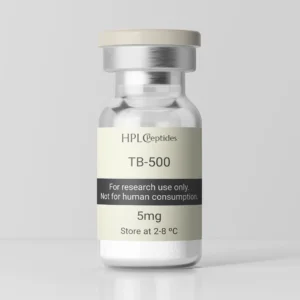
TB-500 is a synthetic 17-amino acid peptide corresponding to the active region of Thymosin Beta-4 (Tβ4) — a naturally occurring 43-amino acid protein found in virtually every cell in the human body. Tβ4 is secreted by the thymus gland as part of the body’s healing response. TB-500 is the synthetic fragment specifically responsible for its core repair-promoting and cell-mobilising properties.
While TB-500 is not studied specifically and exclusively for hair, its mechanisms directly address several root causes of follicle decline. A study published in the Journal of Investigative Dermatology (Philp et al., 2004) demonstrated that Thymosin Beta-4 activates hair follicle stem cells and promotes their migration into the anagen (active growth) phase — providing direct evidence for its follicle-regenerating potential.
A separate preclinical study (Kim et al., 2016) found that Thymosin Beta-4 enhanced dermal papilla cell proliferation — the specialised cells at the follicle base that control hair growth — and promoted hair shaft elongation in organ culture models.
Campbell’s recommended dosage: 2.0–2.5 mg injected subcutaneously or intramuscularly every other day. TB-500 is most effective as part of a combined protocol with BPC-157 and GHK-Cu rather than as a standalone intervention.
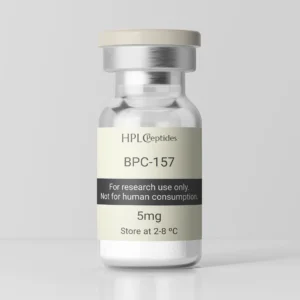
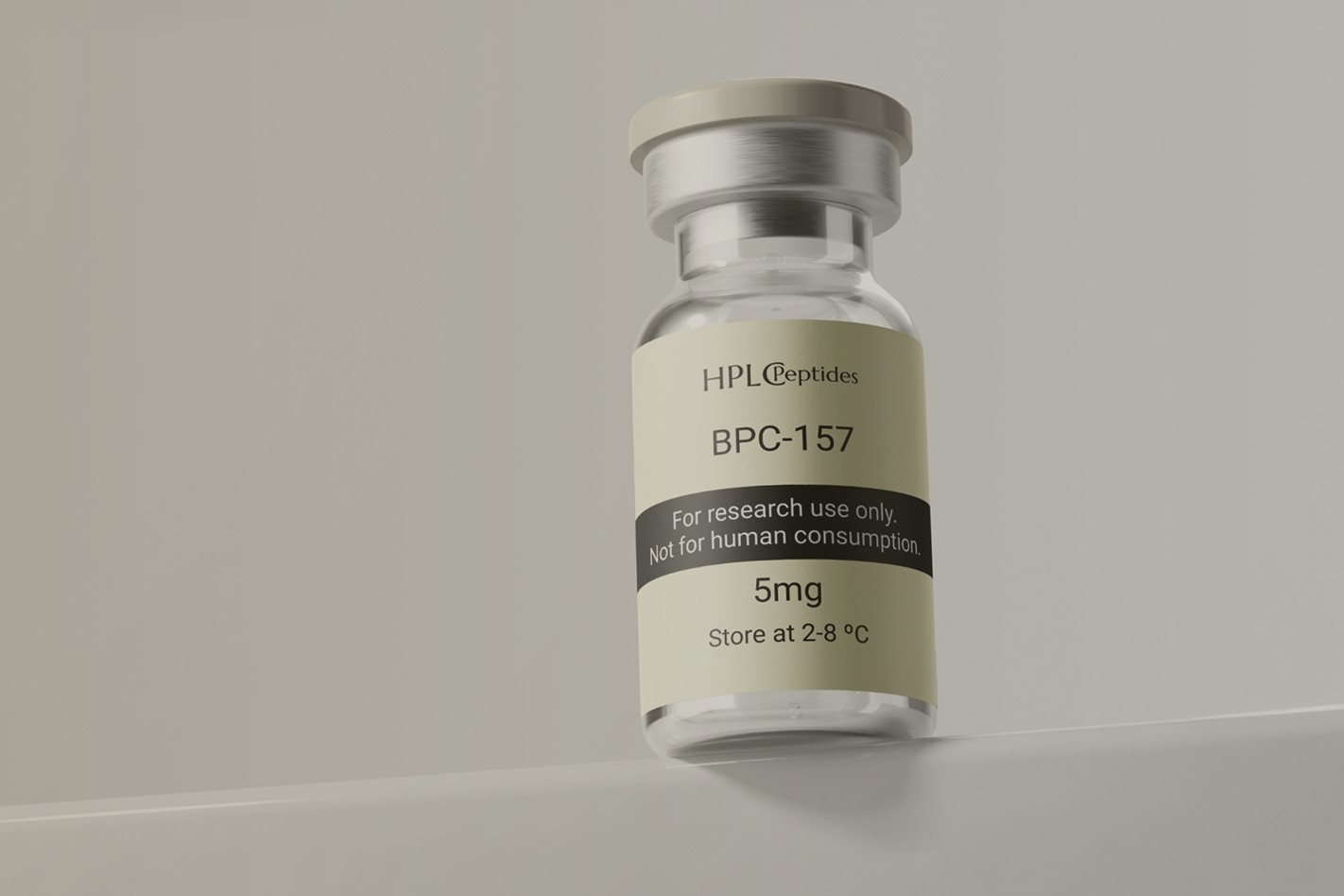
BPC-157 (Body Protection Compound-157) is a synthetic 15-amino acid peptide derived from a protein sequence found in human gastric juice. Its primary role in hair-focused peptide stacks is vascular: BPC-157 powerfully stimulates angiogenesis and improves local blood flow through VEGF upregulation and nitric oxide (NO) pathway modulation.
While BPC-157 has not been studied specifically for hair follicle health, its vascular and growth factor mechanisms support the biological infrastructure on which follicle health depends:
In the GLOW Stack, BPC-157 provides the localised angiogenic signal that complements TB-500’s systemic repair cell mobilisation and GHK-Cu’s structural collagen rebuilding. The three-layer system addresses hair follicle decline more comprehensively than any single peptide can.
Recommended dosage: 250–500 mcg subcutaneously once daily.
The GLOW Stack is a community-named three-peptide combination of BPC-157, TB-500, and GHK-Cu that has gained traction in biohacking, aesthetic medicine, and longevity communities. It builds on the Wolverine Stack (BPC-157 + TB-500) by adding GHK-Cu — shifting the protocol from pure injury repair toward a broader regenerative and anti-ageing application.
|
Stack |
Components |
Primary Focus |
|
Wolverine Stack |
BPC-157 + TB-500 |
Tissue repair and recovery — the foundational healing stack |
|
GLOW Stack |
BPC-157 + TB-500 + GHK-Cu |
Adds collagen synthesis, skin and hair regeneration, anti-ageing gene modulation |
|
KLOW Stack |
BPC-157 + TB-500 + GHK-Cu + KPV |
Adds systemic inflammation control via NF-kB inhibition (KPV) |
|
Layer |
Peptide |
What it delivers |
|
Layer 1 — Blood supply |
BPC-157 |
VEGF-driven angiogenesis restores vascular supply to the scalp and follicle matrix |
|
Layer 2 — Cell mobilisation |
TB-500 |
Systemic stem cell and repair cell mobilisation directed toward follicles via actin regulation |
|
Layer 3 — Structural rebuild |
GHK-Cu |
Collagen types I, III, and IV synthesis; MMP regulation; 4,000+ gene expression effects; anti-ageing biology |
A practical approach combines systemic injections of BPC-157 and TB-500 with topical GHK-Cu applied directly to the scalp — simultaneously addressing systemic repair biology and delivering collagen-stimulating, follicle-activating signals where they are needed.
For those with chronic scalp inflammation as a primary driver of hair loss, the KLOW Stack (which adds KPV — a tripeptide derived from alpha-melanocyte-stimulating hormone that inhibits NF-kB, the master regulator of inflammatory gene expression) may provide more comprehensive results. See hplcpeptides.com/wiki/klow-stack for full protocol details.
Peptide-based hair restoration sits at the intersection of two of the most active areas of biohacking research: skin and connective tissue regeneration, and longevity interventions targeting the biochemical decline of ageing.
GHK-Cu is unusual among research peptides in that it has both strong topical cosmeceutical evidence and emerging systemic anti-ageing research. Its age-related plasma decline — documented at 60% between young adulthood and age 60 — makes it one of the most compelling direct anti-ageing interventions currently available outside pharmaceutical channels. Restoring GHK-Cu levels through topical or subcutaneous application directly targets a well-characterised mechanism of biological ageing.
In biohacking protocols, GHK-Cu is typically used alongside BPC-157 in tissue repair stacks, and alongside Epithalon in comprehensive anti-ageing protocols. Dr William Seeds references GHK-Cu within his regenerative and anti-ageing protocol frameworks. See hplcpeptides.com/wiki/dr-william-seeds for full credential and protocol details.
Growth hormone-releasing peptides — including Ipamorelin and CJC-1295 — offer an indirect but meaningful contribution to follicle health. Human growth hormone (hGH) plays a documented role in hair follicle cycling, and optimising hGH levels through peptide-driven GH secretion supports the broader tissue regeneration environment in which follicle health depends.
|
Study |
Key Finding |
|
Pickart & Margolina (2018) Int J Mol Sci |
Comprehensive review confirming GHK-Cu’s ability to enlarge hair follicle size, stimulate hair growth, and support the dermal-epidermal junction. Authors concluded GHK-Cu is one of the most promising topical agents for hair restoration. |
|
Pickart et al. (2012) Organogenesis |
Genome-wide analysis found GHK-Cu modulates expression of over 4,000 human genes, predominantly toward upregulation of repair and regeneration pathways and downregulation of inflammatory and oncogenic pathways. |
|
Philp et al. (2004) J Invest Dermatol |
Thymosin Beta-4 (parent molecule of TB-500) activates hair follicle stem cells and promotes their migration into the anagen (active growth) phase — validating TB-500’s follicle-reactivation potential. |
|
Lim et al. (2019) Preclinical |
GHK-Cu applied topically to alopecia mouse models significantly increased hair shaft elongation and follicle size vs controls. Mechanism attributed to increased collagen production and anti-inflammatory gene regulation. |
|
Kim et al. (2016) Preclinical |
Thymosin Beta-4 enhanced dermal papilla cell proliferation and promoted hair shaft elongation in organ culture models. |
|
Gul et al. (2020) Comparative study |
Copper peptides produced hair follicle enlargement effects comparable to minoxidil, with a superior safety profile and additional anti-inflammatory and collagen-supporting effects not provided by minoxidil. |
|
Kwack et al. (2019) J Invest Dermatol |
PTD-DBM, a peptide activating the Wnt/beta-catenin pathway, significantly promoted hair growth in in vitro and in vivo models, increasing hair density and promoting anagen phase entry. |
Based on Jay Campbell’s framework in Optimize Your Health with Therapeutic Peptides and the supporting research literature, the following represents an evidence-informed approach to peptide-based hair restoration. This is a research reference — consult a qualified healthcare professional before considering any injectable peptide protocol.
|
Peptide |
Route |
Dose |
Notes |
|
GHK-Cu (topical) |
Topical |
2–4 pumps of 3% formulation |
Daily after cleansing; primary hair restoration protocol |
|
GHK-Cu (injectable) |
Subcutaneous |
1–2 mg |
Optional enhancement; systemic gene expression effects |
|
TB-500 |
Subcutaneous or IM |
2.0–2.5 mg every other day |
Systemic stem cell mobilisation and VEGF-driven angiogenesis |
|
BPC-157 |
Subcutaneous |
250–500 mcg once daily |
Localised angiogenic signal; supports GH receptor upregulation |
|
GHK-Cu + C60 (combined topical) |
Topical |
Per product formulation |
Enhanced real-world results vs GHK-Cu alone (Campbell, 2021) |
Peptides are not magic bullets and require consistency. A realistic timeline for visible results with GHK-Cu topical is 3–6 months, consistent with the biological timelines of follicle regeneration — as documented in Campbell’s real-world case reports.
Quality is non-negotiable in peptide research protocols. A peptide that does not meet minimum purity standards will not produce the expected biological effects — and may introduce impurities that create unintended responses.
|
Peptide |
Minimum Purity |
Additional Requirements |
|
GHK-Cu |
Greater than 98% by HPLC |
Copper content verification required — biological activity is copper-dependent. HPLC purity alone is insufficient. |
|
TB-500 |
Greater than 98% by HPLC |
Mass spectrometry (MS) confirmation. Check for methionine oxidation (+16 Da shift by MS). |
|
BPC-157 |
Greater than 98% by HPLC |
MS confirmation; methionine oxidation check relevant. |
High-Performance Liquid Chromatography (HPLC) using a reversed-phase C18 column is the standard analytical method for verifying peptide purity. Detection is performed at 214 nm (peptide bonds) and, where relevant, 280 nm (aromatic residues). For GHK-Cu specifically, a complete Certificate of Analysis (CoA) should include HPLC chromatogram data, mass spectrometry confirmation, and copper content verification.
For full guidance on peptide purity standards and how to read a CoA, see hplcpeptides.com/wiki/peptide-testing.
GHK-Cu sits in a higher-risk category for degradation than most research peptides. Its copper-dependent mechanism means that two separate things must be verified: whether the peptide itself is intact and pure, and whether the copper complex is correctly formed and stable. A purity figure from HPLC addresses only the first of these. It cannot confirm that the copper-to-peptide ratio is correct, that the complex has not dissociated, or that the histidine residue critical for copper binding has not been oxidised.
|
The Core Problem with GHK-Cu Testing A GHK-Cu product can test at 99% purity by HPLC and still be biologically inactive if: the copper has dissociated from the tripeptide in aqueous solution; the copper-to-peptide ratio was incorrect from manufacture; or histidine oxidation has destroyed the copper-binding site. Purity alone is not sufficient quality assurance for GHK-Cu. A complete Certificate of Analysis must include HPLC purity, mass spectrometry confirmation, and copper content verification as a minimum. |
The peptide degradation literature classifies GHK-Cu among the highest-risk peptides for aqueous solution instability. Its primary vulnerabilities are:
|
Degradation Mechanism |
What Happens to GHK-Cu |
Consequence for Hair Protocol |
|
Copper dissociation |
At non-optimal pH, copper detaches from the tripeptide complex. The free tripeptide and free copper have different — and far weaker — biological profiles than the intact complex. |
Loss of angiogenic, collagen-stimulating, and gene-expression effects that depend on the intact copper complex. |
|
Histidine oxidation |
Histidine is the primary copper-binding residue in GHK-Cu. Oxidation of histidine disrupts copper coordination, weakening or eliminating binding. |
Even high-purity GHK-Cu may be biologically inactive if histidine has been oxidised. Detectable by HPLC at 280nm and by mass spectrometry. |
|
Aqueous solution instability |
GHK-Cu degrades significantly faster in aqueous solution than in lyophilised form. pH-dependent — instability accelerates at acidic or alkaline pH. Solution stability is markedly lower than lyophilised stability. |
Pre-dissolved or cartridge-format GHK-Cu products may have degraded significantly before application — particularly if stored for weeks in solution. |
|
Hydrolysis |
Water cleaves peptide bonds between the three amino acids (Glycine-Histidine-Lysine), producing shorter fragments. Accelerated by heat and extreme pH. |
Hydrolysis fragments have no GHK-Cu biological activity. HPLC detects new peaks at altered retention times; mass spectrometry confirms fragment molecular weights. |
Because purity alone is insufficient for GHK-Cu, a complete Certificate of Analysis (CoA) for research-grade GHK-Cu should include all of the following:
|
Test |
What It Verifies |
Minimum Standard |
|
Reversed-phase HPLC |
Peptide purity — percentage of sample that is intact GHK tripeptide vs impurities |
Greater than 98% purity; full chromatogram in CoA |
|
Mass spectrometry (MS) |
Confirms molecular identity (340.38 Da free tripeptide; 403.9 Da as copper complex); detects oxidation and fragments |
MS confirmation required; check for +16 Da (histidine oxidation) shift |
|
Copper content verification |
Confirms copper-to-peptide ratio is correct and that the active complex is properly formed |
Must be present in CoA — without this, purity data alone is incomplete |
|
HPLC at 280nm |
Monitors histidine absorbance — a shift or reduction at 280nm indicates histidine oxidation and copper-binding disruption |
Should be included for GHK-Cu given copper-binding dependence on histidine |
|
Batch number and date |
Links CoA to a specific production run, confirming the document is batch-specific and not a generic template |
Required — identical CoA data across multiple batches is a red flag |
Correct storage is essential for preserving GHK-Cu’s biological activity. The following guidelines apply to both lyophilised and reconstituted GHK-Cu:
The peptide testing framework used at hplcpeptides.com identifies three distinct pillars of peptide quality. For GHK-Cu in a hair restoration context, all three are directly relevant:
|
Pillar |
The Question It Answers |
Why It Matters for GHK-Cu Hair Protocols |
|
Purity |
What percentage of the sample is the target peptide? |
Confirms the GHK tripeptide is present above 98% — but does not confirm the copper complex is intact or correctly formed. |
|
Quantity |
How much active peptide is actually present in the vial? |
A vial labelled 5mg may contain significantly less due to moisture content and fill tolerances. Under-dosing produces no results and misleads protocol assessment. |
|
Integrity |
Is the peptide structurally intact and undegraded? |
For GHK-Cu, integrity means the copper complex is properly formed, histidine is unoxidised, and no hydrolysis or dissociation has occurred. This requires MS and copper content verification — not HPLC alone. |
For full guidance on evaluating peptide quality and reading a Certificate of Analysis, see hplcpeptides.com/wiki/peptide-testing. For a detailed breakdown of GHK-Cu’s specific degradation profile and comparative risk assessment alongside other research peptides, see hplcpeptides.com/wiki/peptide-degradation.
|
GHK-Cu has the strongest direct research evidence for hair restoration, including published studies demonstrating follicle enlargement, hair shaft growth, and effects comparable to minoxidil. When combined with TB-500 and BPC-157 in the GLOW Stack, the biological coverage is more comprehensive — addressing blood supply, stem cell mobilisation, inflammation, and structural collagen simultaneously.
A realistic timeline for visible results with topical GHK-Cu is 3–6 months, consistent with the biological timelines of follicle regeneration. Real-world accounts documented by Jay Campbell report noticeable improvement at approximately 6 months with GHK-Cu alone, with faster results when combined with C60.
GHK-Cu has an excellent safety profile supported by decades of cosmeceutical research. It is a naturally occurring human peptide with no significant adverse effects documented in the published literature for topical application. For injectable use, some users experience brief localised discomfort, which resolves with tissue massage post-injection.
Research-grade GHK-Cu requires purity above 98% as verified by reversed-phase HPLC. Critically, a purity figure alone is insufficient — the copper-to-peptide ratio must also be verified, since GHK-Cu’s biological activity is entirely copper-dependent. A complete CoA should include HPLC chromatogram data, mass spectrometry confirmation, and copper content data.
GHK-Cu is classified among the highest-risk research peptides for aqueous solution instability. Its copper-dependent mechanism makes it uniquely vulnerable: copper can dissociate from the tripeptide complex at non-optimal pH, and oxidation of the histidine residue — critical for copper binding — can destroy activity even in a product that still reads at high HPLC purity. For hair protocols, this means that improperly stored, pre-dissolved, or cartridge-format GHK-Cu may be biologically inactive before it reaches the scalp. Lyophilised storage at -20°C, reconstitution in near-neutral pH buffer, and use within 14 days of reconstitution are standard requirements. See hplcpeptides.com/wiki/peptide-degradation for the full degradation profile.
Peptide-based protocols are generally considered complementary to conventional treatments. GHK-Cu topical in particular is used in biohacking and aesthetic medicine contexts alongside standard scalp care. Combining injectable peptide stacks with pharmaceutical treatments such as finasteride or minoxidil requires oversight from a qualified clinician familiar with peptide therapeutics.
|
Term |
Definition |
|
GHK-Cu |
Glycine-Histidine-Lysine copper complex. A naturally occurring tripeptide that declines with age, stimulates collagen synthesis, supports angiogenesis, and modulates over 4,000 human genes toward repair and anti-ageing. |
|
TB-500 |
A synthetic 17-amino acid peptide corresponding to the actin-binding region of Thymosin Beta-4. Studied for systemic tissue repair, stem cell mobilisation, and anti-inflammatory effects. |
|
BPC-157 |
Body Protection Compound-157. A synthetic 15-amino acid peptide derived from human gastric juice. Studied for angiogenesis, gut repair, tendon healing, and growth hormone receptor activation. |
|
Angiogenesis |
The formation of new blood vessels from existing vasculature. Critical for restoring blood supply to dormant or damaged hair follicles. |
|
Anagen phase |
The active growth phase of the hair cycle. Peptides such as Thymosin Beta-4 have been shown to activate follicle stem cells and accelerate anagen phase re-entry. |
|
HPLC |
High-Performance Liquid Chromatography. The standard analytical method for verifying peptide purity. Reversed-phase HPLC with a C18 column at 214 nm is standard for research-grade peptides. |
|
MMP |
Matrix metalloproteinase. Enzymes that degrade collagen and extracellular matrix. GHK-Cu modulates MMP activity to optimise the balance between collagen synthesis and breakdown. |
|
Biohacking |
The practice of using science-based interventions — including peptides, supplements, and lifestyle protocols — to optimise health, performance, and longevity. |
|
CoA |
Certificate of Analysis. A document from a peptide supplier confirming identity, purity, and quality of a batch, typically including HPLC and mass spectrometry data. |
|
VEGF |
Vascular Endothelial Growth Factor. Upregulated by TB-500 and BPC-157 to drive angiogenesis — the formation of new blood vessels required for follicle repair. |
|
Dermal papilla |
Specialised cells at the base of the hair follicle that control the hair growth cycle. TB-500’s parent molecule Thymosin Beta-4 has been shown to enhance dermal papilla cell proliferation. |
|
Lysyl oxidase |
A copper-dependent enzyme that crosslinks collagen and elastin fibres. GHK-Cu’s copper delivery supports lysyl oxidase activity, strengthening the structural scaffold of the follicle. |
|
Copper dissociation |
The detachment of copper from the GHK tripeptide complex in aqueous solution at non-optimal pH. A primary degradation risk for GHK-Cu that renders the compound biologically inactive without altering its HPLC purity figure. |
|
Histidine oxidation |
Oxidative modification of the histidine residue in GHK-Cu — the residue responsible for copper coordination. Histidine oxidation disrupts copper binding and eliminates biological activity. Detectable by HPLC at 280nm and by mass spectrometry. |
|
Lyophilisation |
Freeze-drying. The standard preservation format for research peptides including GHK-Cu. Removes water under vacuum to produce a dry, stable cake. Dramatically extends stability compared to aqueous solution storage. |
The following hplcpeptides.com wiki entity pages provide expanded research detail on the compounds and protocols referenced in this article:
|
Entity Page |
Relevance to This Article |
|
GHK-Cu — Collagen Synthesis and Regeneration hplcpeptides.com/wiki/ghk-cu |
Full mechanism, research findings, purity standards, and topical vs systemic applications for GHK-Cu — the primary peptide for hair restoration. |
|
TB-500 — Recovery and Regeneration hplcpeptides.com/wiki/tb-500 |
Detailed mechanism of action, stem cell mobilisation, VEGF upregulation, and protocol guidance for TB-500 as a systemic repair peptide. |
|
BPC-157 — Tissue Repair and Gut Health hplcpeptides.com/wiki/bpc-157 |
BPC-157 full profile including angiogenic mechanisms, GH receptor upregulation, and role in multi-peptide stacks. |
|
GLOW Stack — BPC-157 + TB-500 + GHK-Cu hplcpeptides.com/wiki/glow-stack |
Complete stack documentation including dosing protocols, use cases in aesthetic and anti-ageing contexts, and comparison with Wolverine and KLOW stacks. |
|
KLOW Stack — BPC-157 + TB-500 + GHK-Cu + KPV hplcpeptides.com/wiki/klow-stack |
Extended stack adding KPV for dedicated NF-kB mediated inflammation control — relevant for hair loss driven primarily by chronic scalp inflammation. |
|
Wolverine Stack — BPC-157 + TB-500 hplcpeptides.com/wiki/wolverine-stack |
Foundational healing stack on which GLOW and KLOW are built. Full mechanistic rationale for combining BPC-157 and TB-500. |
|
Peptide Testing — Purity, Quantity and Integrity hplcpeptides.com/wiki/peptide-testing |
How to read a Certificate of Analysis (CoA), interpret HPLC purity data, and verify copper content for GHK-Cu. |
|
Dr William Seeds — Peptide Therapy Protocols hplcpeptides.com/wiki/dr-william-seeds |
Protocol frameworks and clinical context for GHK-Cu and related peptides from a leading peptide therapy researcher. |
|
Epithalon — Anti-Ageing and Telomere Research hplcpeptides.com/wiki/epithalon |
Complementary anti-ageing peptide often combined with GHK-Cu in comprehensive longevity stacks. |
|
CJC-1295 — Growth Hormone Releasing Peptide hplcpeptides.com/wiki/cjc-1295 |
Growth hormone-releasing peptide relevant to the broader tissue regeneration environment supporting follicle health. |
The following peer-reviewed studies, books, and research sources are referenced in this article:
Primary Source
GHK-Cu Research
Thymosin Beta-4 / TB-500 Research
Wnt Pathway and Other Peptide Research
Regulatory and Clinical Context
Degradation and Testing Context
Research Disclaimer
This article is for informational and research reference purposes only. None of the peptide compounds described are approved for human therapeutic use by the FDA, EMA, or equivalent regulatory bodies, except where explicitly noted. TB-500 and Thymosin Beta-4 are listed on the WADA Prohibited List and are banned in competitive sport. This content does not constitute medical advice. Consult a qualified healthcare professional before considering any peptide-related intervention.
Content reviewed by the HPLC Peptides editorial team. Primary source: Jay Campbell, Optimize Your Health with Therapeutic Peptides (2021). All research references cited are preclinical or cosmeceutical unless otherwise stated.
hplcpeptides.com/wiki/peptides-for-hair-growth | Article v2.0 | April 2026
Peptides are short chains of amino acids linked together in
Heading Lorem ipsum dolor sit amet, consectetur adipiscing elit. Sed
Peptides are short chains of amino acids linked together in
Heading Lorem ipsum dolor sit amet, consectetur adipiscing elit. Sed
What the Research — and Real-World Results — Tell Us